Level Surfaces That Drain and Perform
Concrete Flat Work in Mount Vernon for patios, sidewalks, and driveways that stay smooth and shed water correctly
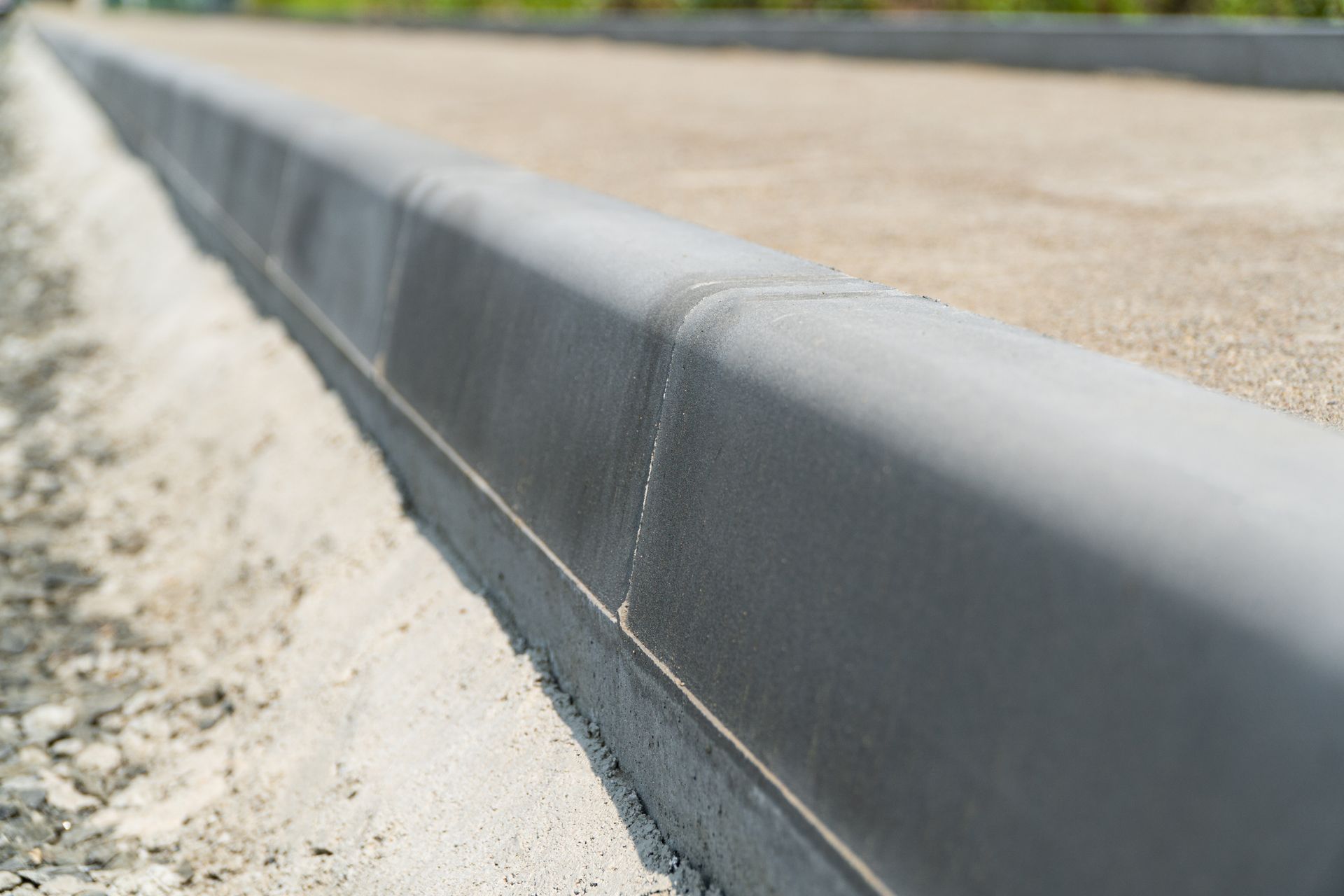
Smucker Quality Homes, Inc specializes in flat concrete surfaces for residential properties in Mount Vernon, John Day, Long Creek, and surrounding areas. You get patios, sidewalks, driveways, and slab work finished to precise grades with attention to drainage, joint placement, and surface texture. Each project is planned around the specific use, from pedestrian walkways to vehicle-bearing surfaces, and installed with proper slope to prevent water pooling near structures.
The process starts with layout and excavation, followed by base compaction and form setup. The concrete is poured in sections, screeded to level, and floated to bring the fines to the surface. Edges are tooled for a clean finish, and control joints are cut or formed to manage shrinkage cracking. For driveways, the surface is broom-finished to add traction. For patios and walkways, a smooth trowel finish is common unless a textured surface is requested. Slope is built into the forms to direct water away from the home or garage.
If you need flat concrete work for a new build or property upgrade in Mount Vernon or a neighboring community, contact Smucker Quality Homes, Inc to schedule a free estimate and review layout options.
What Makes Flat Concrete Durable
Your slab starts with a stable base, typically four to six inches of compacted gravel that provides uniform support and prevents settling. The concrete thickness is selected based on the load, with driveways poured thicker than sidewalks to handle vehicle weight. Reinforcement, either rebar or wire mesh, is placed in the center of the slab to resist cracking from flexing or thermal expansion.
After installation, you notice a surface that sits level with surrounding grades, slopes gently away from the house, and has clean, straight edges where it meets other materials. Smucker Quality Homes, Inc installs control joints every eight to ten feet to control where cracks form, and expansion joints are placed where the new concrete meets existing structures. The surface is sealed or left to cure naturally depending on exposure and use. What you end up with is a functional, low-maintenance surface that handles foot traffic, vehicles, and weather without cracking prematurely or holding water.
The work includes grading adjustments to match existing elevations and integration with landscaping or drainage systems. Projects are completed in stages if the area is large, with joints placed between pours to maintain structural integrity. Curing time depends on temperature and humidity, and light use is permitted after a few days, with full weight-bearing capacity reached within a week.
Common Questions About Flat Concrete Work
Homeowners often have questions about slope, thickness, and finishing techniques. The answers below cover the practical details of flat concrete installation.
What slope is required for proper drainage?
Most flat concrete surfaces are sloped at a minimum of one-eighth inch per foot away from structures to prevent water from pooling or flowing toward the foundation.
How thick should a concrete patio or sidewalk be?
Patios and sidewalks are typically poured at four inches thick, while driveways are poured at five to six inches to support vehicle loads without cracking.
Why is a broom finish used on driveways?
A broom finish adds texture to the surface, providing traction for vehicles and foot traffic, especially in wet conditions common in Mount Vernon during fall and spring.
What happens if the base is not compacted properly?
An uncompacted base will settle unevenly under the weight of the concrete, leading to cracks, voids beneath the slab, and eventual surface failure.
How soon can I use the concrete after it is poured?
You can walk on the surface within 24 to 48 hours, but you should wait at least seven days before driving on it or placing heavy loads to allow the concrete to reach sufficient strength.
Smucker Quality Homes, Inc installs flat concrete surfaces throughout Mount Vernon and neighboring communities with careful attention to site conditions and long-term performance. Call to discuss your project, review finishing options, and schedule a site visit for accurate planning and pricing.