Built to Support Working Land
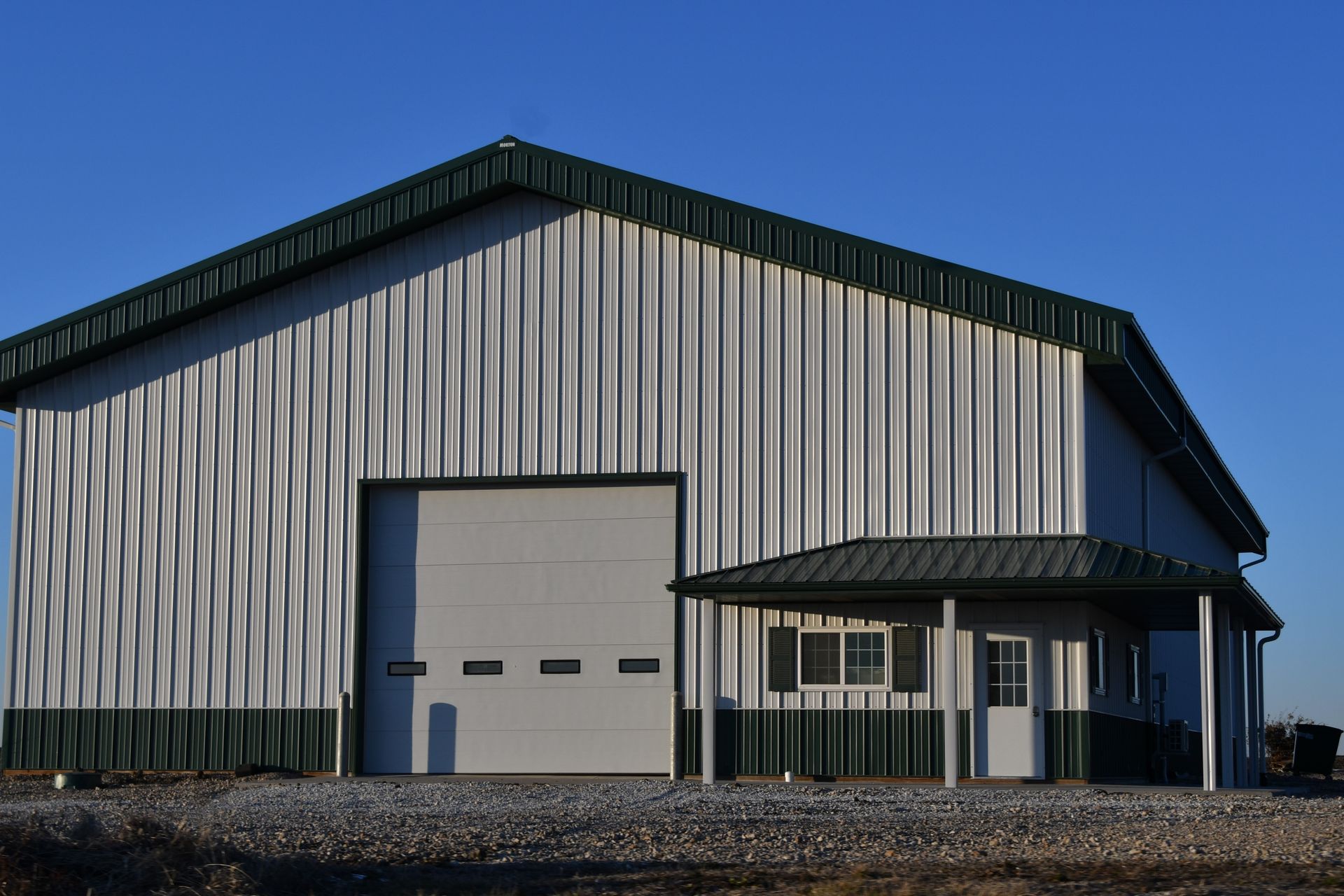
Agricultural Buildings in Mount Vernon for heavy-use operations that require durable structures and daily functionality
Smucker Quality Homes, Inc constructs agricultural buildings for farming operations and rural enterprises that depend on functional, long-lasting structures designed around the way you work in Mount Vernon, Canyon City, Long Creek, and surrounding areas. These buildings house equipment, store crops and materials, and provide covered workspaces that withstand the daily demands of agricultural activity. You need a structure that matches your operation's requirements without requiring constant repair or adjustment, and the design accounts for load-bearing needs, access patterns, and environmental exposure that come with working land.
Agricultural buildings are needed when existing storage falls short, when new equipment requires covered housing, or when operational growth demands dedicated space for processing, maintenance, or animal care. The construction process begins with understanding how the building will be used, including door placement for machinery movement, clear spans for unobstructed interior work, and ventilation that prevents moisture buildup. Materials are selected for their ability to endure temperature swings, resist corrosion from fertilizers or livestock waste, and support structural loads from overhead storage or hanging equipment.
Reach out to discuss building specifications that align with your farm's workflow and long-term plans.
Structural Systems Built for Heavy Use
The structural framework uses post-frame or steel-framed systems depending on span requirements and intended use, with foundations engineered to support both the building weight and dynamic loads from tractors, forklifts, or loaded wagons moving inside. Roof pitches are set to shed snow and rain efficiently, and wall panels are fastened to resist wind uplift common in open rural settings. You will see a building that stands square, drains cleanly, and handles repeated impact from daily operations without shifting or settling.
After completion, you gain a workspace where doors open reliably, floors remain level under heavy equipment, and interior conditions stay dry enough to protect stored grain, hay, or machinery from rust and rot. Smucker Quality Homes, Inc designs each structure to fit the specific tasks you perform, whether that involves drive-through access for large machinery, partitioned areas for different crops, or reinforced sections for livestock handling. The building becomes a functional extension of your operation, not a compromise.
Additional considerations include electrical service for lighting and power tools, insulation in areas where temperature control matters, and door hardware rated for frequent use. The scope does not typically include plumbing or HVAC unless specified during planning, and site grading or drainage work may be required separately depending on existing ground conditions.
What to Expect From Start to Finish
Questions about agricultural buildings often focus on how the structure will perform under the specific conditions of your operation and site in Mount Vernon and neighboring communities.
What determines the foundation type for an agricultural building?
The foundation depends on soil conditions, building size, and whether heavy equipment will operate inside, with options ranging from gravel pads and treated posts to concrete piers or full slabs that prevent settling under load.
How do you size door openings for farm equipment?
Door dimensions are based on the widest and tallest equipment that will enter, with clearance added for angled approaches and seasonal attachments like front loaders or sprayers that extend beyond the tractor frame.
When should ventilation be included in the design?
Ventilation is necessary when storing hay, grain, or other moisture-sensitive materials, and when housing livestock or operating equipment that generates exhaust, preventing condensation and preserving air quality inside.
Why does roof design matter for snow and rain?
Roof pitch and overhang affect how quickly precipitation clears and whether water drains away from walls and doors, reducing the risk of ice dams, leaks, and erosion around the building perimeter.
What materials hold up best in rural conditions?
Galvanized steel, treated lumber, and corrosion-resistant fasteners are standard for agricultural buildings in Mount Vernon, chosen for their ability to withstand moisture, manure, fertilizer contact, and ultraviolet exposure over decades of use.
Contact Smucker Quality Homes, Inc to review site conditions and operational requirements before construction begins, ensuring the finished building supports your work without ongoing maintenance issues or functional limitations.