
Built for Storage, Work, and Vehicle Protection
Garages & Shops in Mount Vernon for properties needing enclosed space that protects vehicles, tools, and equipment from weather
Smucker Quality Homes constructs garages and shops designed to provide secure, weatherproof storage and workspace for residential and rural properties in Mount Vernon, Dayville, Long Creek, and surrounding areas. You need a garage or shop when you lack covered space to park vehicles, store tools, or complete projects without exposure to rain, snow, or temperature swings. These buildings are not sheds—they are fully framed structures with solid foundations, insulated walls, and doors sized to accommodate trucks, trailers, or machinery.
The design is based on what you plan to store or do inside the building. A two-car garage needs different door widths and ceiling height than a workshop with a lift or a shop that houses farm equipment. The foundation is poured to handle the weight of vehicles and equipment without cracking. Framing is sized to support roof loads, and walls are insulated if you plan to heat the space or work in it year-round. Electrical service is roughed in based on your needs for lighting, outlets, and power tools.
If you are tired of parking outside, need room to work on projects without hauling tools back and forth, or want to protect vehicles and equipment from rust and weather damage, a dedicated garage or shop adds both utility and long-term value to your property.
What the Build Involves and What You End Up With
Your site is cleared and leveled, and the foundation is poured with anchor bolts set for the sill plate. Walls are framed with studs spaced to support the roof load and exterior sheathing. Roof trusses are set and sheathed, then covered with underlayment and shingles or metal roofing. Overhead doors are installed with tracks and springs rated for the door size and weight. Service doors and windows are added based on your layout.
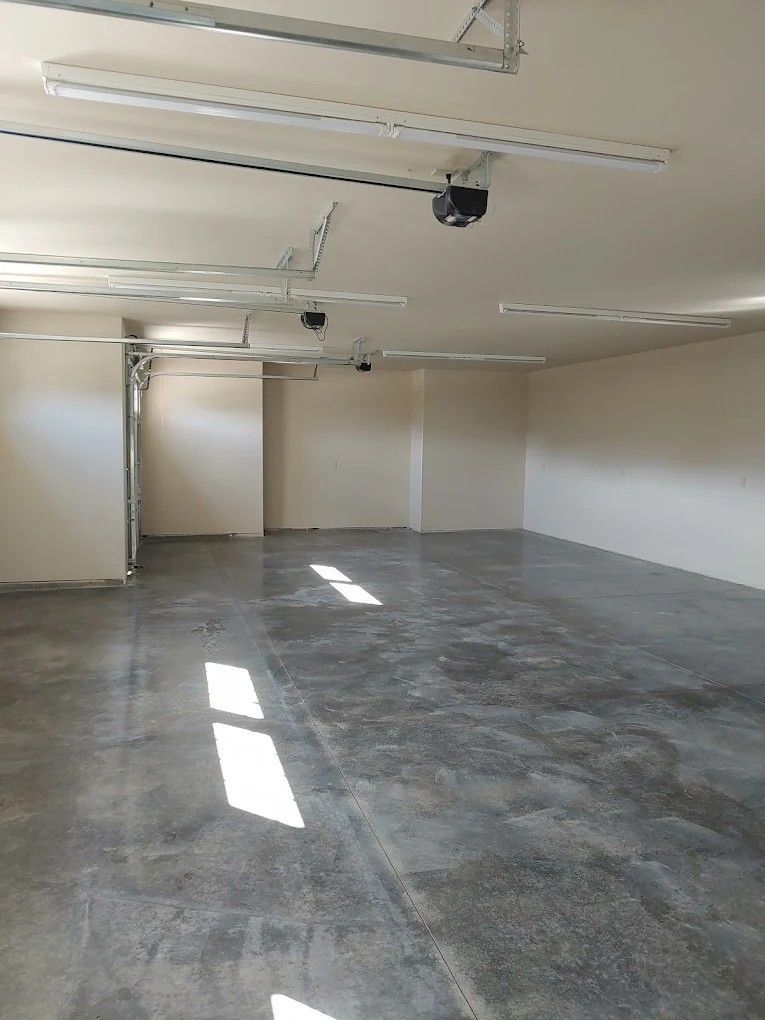
What you notice when the building is finished is a dry, secure interior with level flooring that does not puddle or crack under vehicle weight. Doors open and close smoothly. Walls are straight and insulated if specified. Smucker Quality Homes sizes the structure to fit your property and your intended use, whether that means a detached garage that matches your house or a larger shop with high ceilings and wide bays for equipment access.
Garages attached to a house require integration with existing rooflines, siding, and fire-rated walls between living space and the garage. Standalone buildings allow more flexibility in placement and size but may need separate utility runs. This work does not include finish painting, cabinetry, or HVAC installation unless included in the project scope. Electrical rough-in stops at the panel unless finish wiring is specified.
Common Questions About Layout and Longevity
Property owners often ask how to size a garage or shop correctly and what choices affect how well the building performs over time in Mount Vernon and surrounding areas.
What size garage do I need for two vehicles?
A standard two-car garage is twenty-four feet wide and twenty-four feet deep, but this leaves little room for storage or opening doors. Adding four feet to the depth or width gives you space for shelving, a workbench, or walking room around the vehicles.
How thick should the concrete slab be?
A four-inch slab works for light vehicles, but six inches is better if you plan to park trucks, store heavy equipment, or use the space as a workshop. The slab should be reinforced with rebar or wire mesh to prevent cracking from weight or settling.
Why insulate a garage or shop?
Insulation keeps the interior temperature more stable, reduces condensation on tools and metal surfaces, and makes the space usable in cold weather. If you plan to heat the building or work in it during winter, insulation pays for itself in comfort and energy savings.
What type of door is best for a garage?
Overhead sectional doors are the most common and reliable. They open vertically and do not swing out like traditional barn doors. Choose a door with insulation if you plan to heat the space or if the garage is attached to your house.
When should a garage be built separately versus attached?
Build separately if you want to avoid fire code requirements, need more flexibility in placement, or want a larger building that does not match your house footprint. Attach if you want direct access from your home and plan to heat or cool the garage. In City unavailable, site drainage and setback rules may affect which option works best.
Smucker Quality Homes helps you plan a garage or shop that fits your property and meets your storage and work needs. If you are ready to stop parking outside or need a building that protects your tools and equipment, contact the team to discuss foundation options, door sizes, and layout details that match how you intend to use the space.