
Built to Hold Weight and Daily Traffic
Decks & Porches in Mount Vernon for adding functional outdoor space that connects to your home and withstands local weather
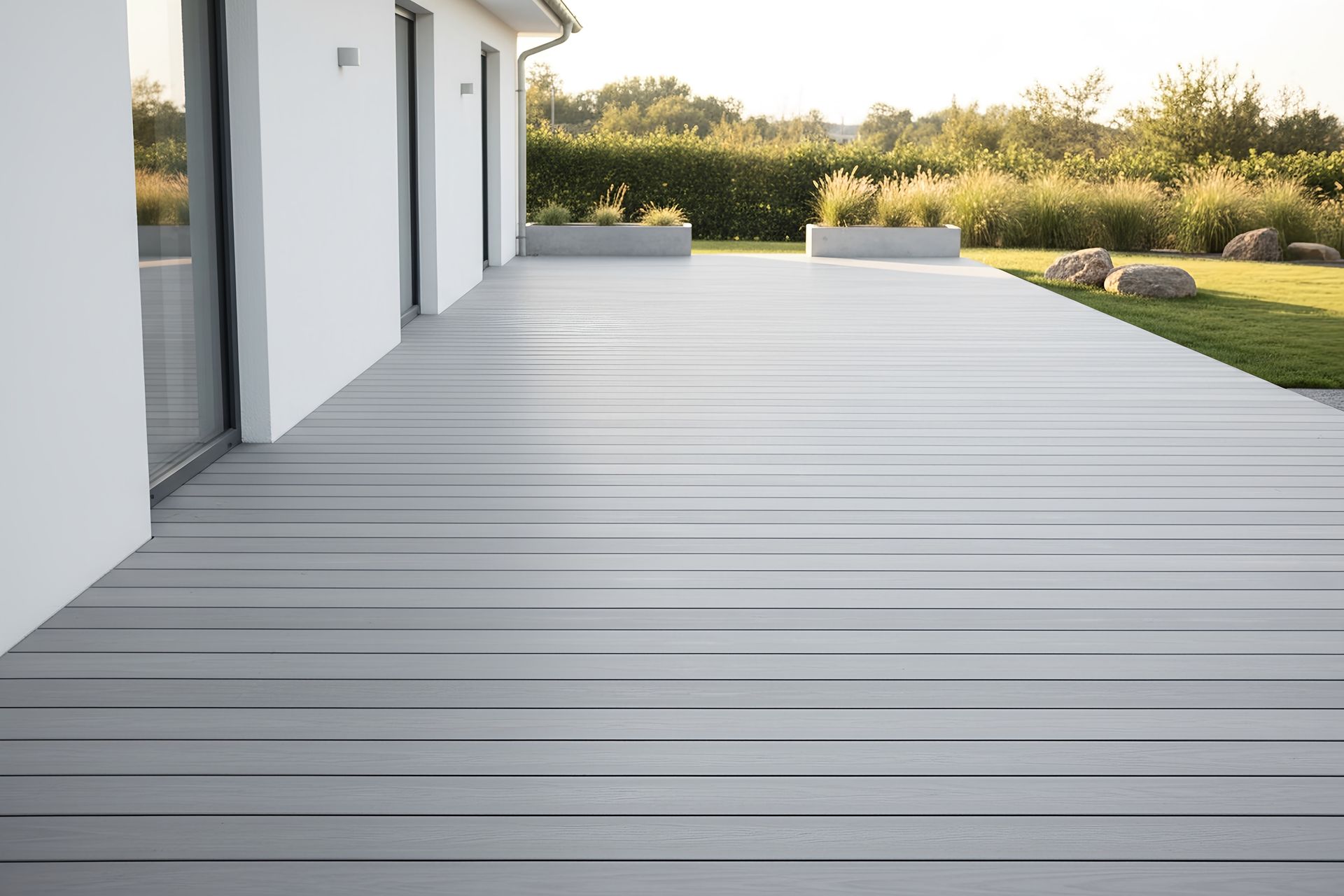
Smucker Quality Homes builds decks and porches that extend your living area outdoors and handle the demands of everyday use in Mount Vernon, John Day, Dayville, and surrounding areas. You need a deck or porch when you want a dry, level surface for seating, grilling, or entertaining without dealing with uneven ground, mud, or grass. These structures are not platforms—they are framed, anchored, and built to support furniture, foot traffic, and seasonal weather exposure without sagging, bouncing, or rotting.
The design is based on how you plan to use the space, the height of the door threshold, and the grade of your yard. Decks require footings set below frost depth to prevent heaving. Joists are spaced to prevent flexing, and decking material is fastened to resist warping and splitting. Porches may include roofing, railings, or screening depending on your preference. Proper flashing and drainage keep water away from the house and prevent moisture damage where the structure attaches to the building.
If you want a place to sit outside without stepping into wet grass, need additional space for gatherings, or want to improve access to a rear or side yard, a well-built deck or porch adds both function and property value.
What Goes Into the Build and What Holds Up
Your yard is marked for footing locations, and holes are dug to the required depth based on frost line and soil stability. Concrete footings are poured and posts are anchored to support the frame. Beams and joists are installed level and spaced to meet load requirements. Decking boards are laid with proper spacing to allow drainage and reduce cupping. Railings are installed where code requires them, typically for any deck more than thirty inches above grade.
What you notice after the build is complete is a stable platform that does not shift when you walk across it. Water drains between the boards and does not pool. The surface stays level. Smucker Quality Homes selects materials based on durability and maintenance needs, whether that means pressure-treated lumber, composite decking, or cedar. Fasteners are corrosion-resistant to prevent streaking and board movement over time.
Covered porches require additional framing to support the roof load and proper integration with existing soffits and gutters. Stairs must meet code for riser height and tread depth. Decks attached to the house need ledger boards bolted through the rim joist with flashing to prevent water intrusion. This work does not include finish painting, staining, or electrical unless specified in the project agreement.
Practical Questions About Materials and Upkeep
Homeowners often ask what material choices mean for maintenance and how long different options last in real-world conditions in Mount Vernon and neighboring communities.
What is the difference between wood and composite decking?
Wood costs less upfront and can be sanded or restained, but it requires regular sealing to prevent rot and splintering. Composite decking resists moisture and insects, does not need staining, and lasts longer, but it costs more per square foot and can fade in direct sunlight.
How often does a wood deck need maintenance?
You should clean and reseal a wood deck every one to two years depending on sun exposure and moisture. Without sealing, the wood absorbs water, cracks, and becomes a breeding ground for mold and mildew.
Why do some decks feel bouncy?
Bouncing occurs when joists are spaced too far apart or undersized for the span. Proper joist spacing and sizing eliminate flex and make the deck feel solid underfoot. Building codes set minimum standards, but tighter spacing improves comfort.
When do railings need to be installed?
Most codes require railings on decks more than thirty inches above grade. Railing height, baluster spacing, and post anchoring are regulated to prevent falls. Even if not required, railings add safety and can define the edge of the deck visually.
What should be done before building a deck in Mount Vernon?
Check local codes for setback requirements, footing depth, and railing specs. Verify that the ground drains away from the house and that downspouts do not discharge onto the deck area. Poor drainage under a deck leads to standing water, rot, and insect problems.
Smucker Quality Homes works with you to design a deck or porch that fits your layout, budget, and intended use. If you are ready to add outdoor space that holds up to weather and daily activity, reach out to discuss footing placement, material selection, and features that match how you plan to use the area.