
Permanent Patterns That Handle Real Use
Stamped Concrete in Mount Vernon for patios and walkways that combine surface detail with structural longevity
Smucker Quality Homes builds stamped concrete surfaces that deliver the visual detail of stone or brick while maintaining the strength and stability of poured concrete in Mount Vernon, John Day, Dayville, and surrounding areas. You get a finished patio, walkway, or outdoor area that looks textured and intentional without the shifting, settling, or weed growth that comes with individual pavers. This method works especially well when you need a decorative surface that will endure foot traffic, weather exposure, and years of use without ongoing repairs.
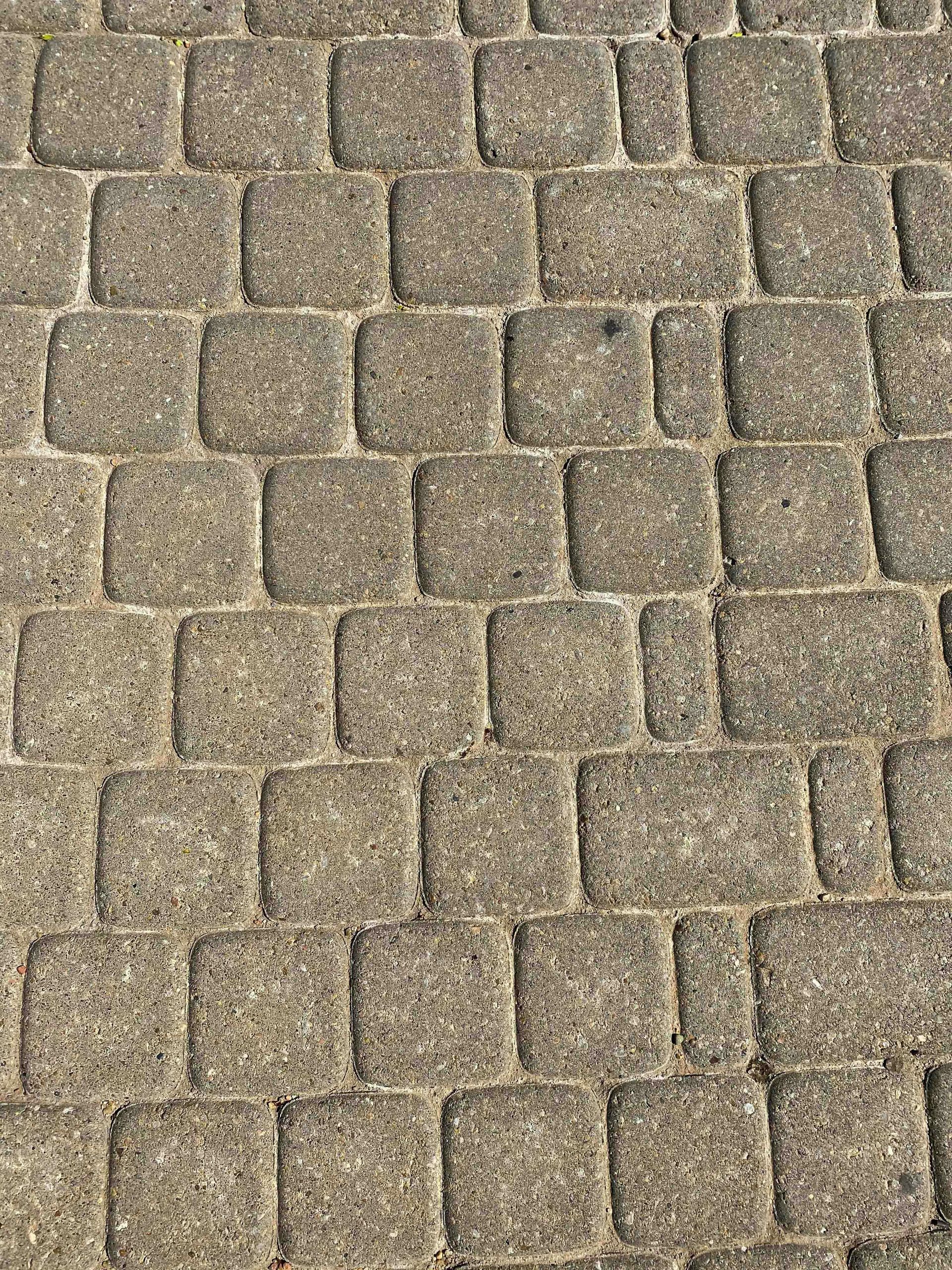
The concrete is poured, then stamped with pattern mats while still workable, creating impressions that mimic slate, cobblestone, wood plank, or brick. Color is integrated into the mix or applied to the surface before sealing. The result is a continuous slab with no joints to separate or fill. You avoid the maintenance cycle of resetting pavers, replacing grout, or managing drainage issues between individual stones.
If you are planning a patio, entryway, or entertainment area and want a surface that holds its appearance without regular intervention, stamped concrete offers a practical option worth reviewing in detail..
What the Process Involves and What Stays in Place
Your site is graded and compacted to establish a stable base. Forms are set to define edges and control thickness. The concrete is poured, leveled, and worked to remove air pockets. Once the surface reaches the right firmness, stamp mats are pressed into the concrete to create the pattern. Release agents prevent sticking and add subtle color variation. After the concrete cures, a sealer is applied to protect the surface and bring out the color.
What you notice after completion is a solid, uniform surface with consistent pattern detail that does not shift underfoot. Water drains predictably. There are no gaps where weeds can grow or pavers can sink. Smucker Quality Homes ensures the slab is thick enough to handle the intended load and that the base preparation prevents cracking from settling or freeze-thaw cycles. The sealer adds a layer of stain resistance and makes routine cleaning straightforward.
The finish you choose affects slip resistance and sheen. Lighter textures and matte sealers reduce glare and provide better traction in wet conditions. Patterns with deep relief require more careful sealing to protect recessed areas. Stamped concrete does not include built-in drainage channels, so grading and slope must be planned during site prep to move water away from foundations and entryways.
Questions About Durability and Upkeep
Homeowners often ask how stamped concrete holds up compared to other options and what kind of care it requires over time.
What happens if the concrete cracks?
Stamped concrete can develop hairline cracks due to settling or temperature changes, but control joints are cut during installation to guide cracks along planned lines. You can repair visible cracks with color-matched filler and reseal the area to restore appearance.
How often does the sealer need reapplication?
You should reseal stamped concrete every two to three years depending on traffic and sun exposure. The sealer protects against stains, moisture penetration, and surface wear. Without it, the color fades and the surface becomes more porous.
Why choose stamped concrete over pavers?
Stamped concrete installs faster, costs less per square foot, and eliminates the settling and weed issues common with individual pavers. You lose the ability to replace a single damaged piece, but you gain a surface that stays level and intact with less intervention.
What patterns work best for high-traffic areas?
Simpler patterns with shallow relief hold up better under frequent use and are easier to clean. Deep textures can trap dirt and require more scrubbing. Your choice should match how the space will be used and how much time you want to spend on maintenance.
When is stamped concrete not the right choice?
If your site has unstable soil, poor drainage, or a history of significant settling, stamped concrete may crack prematurely. Proper base prep and grading are essential. In Mount Vernon, conditions that affect freeze-thaw behavior or drainage must be addressed before pouring.
Smucker Quality Homes works with you to select patterns and finishes suited to your site and intended use. If you are ready to discuss layout, color options, and base preparation for a stamped concrete project, reach out to review your property and go over the details that affect long-term performance in Mount Vernon and neighboring communities.